The Real Work Happens Before Anything Is Made

The Real Work Happens Before Anything Is Made

Factory Updates, News, News & Events, Projects
27 May, 2026
The Real Work Happens Before Anything Is Made

Most people assume a joinery project starts on the factory floor. It doesn’t. By the time a machine cuts its first component, the outcome has already been decided — by the quality of the thinking that came before it.

That’s the lesson at the heart of our White Fox project, where I sat down with Operations Manager Simon Skinner and Programming & Manufacturing Manager Paul Parsons from AWM. What emerged wasn’t a story about machines or materials. It was a story about foresight — and why the unglamorous discipline of planning is what actually delivers a workplace full of unique ideas, clever details, and custom solutions.

If you’ve ever wondered why some fit outs feel effortless while others stumble through delays and rework, the answer usually lies here: in the decisions no client ever sees.

Where every project begins

Q. The moment a set of drawings lands at AWM, what happens next? What does your team look at first before any programming or production kicks off?

Simon: It all begins with understanding the scope. We work out how complex each piece of joinery is and match it to the right programmer, based on their particular strengths. At the same time, we’re already thinking about procurement, spotting any long lead-time materials, and making sure the critical items are ordered early. A huge amount of the work happens well before we manufacture a single component.

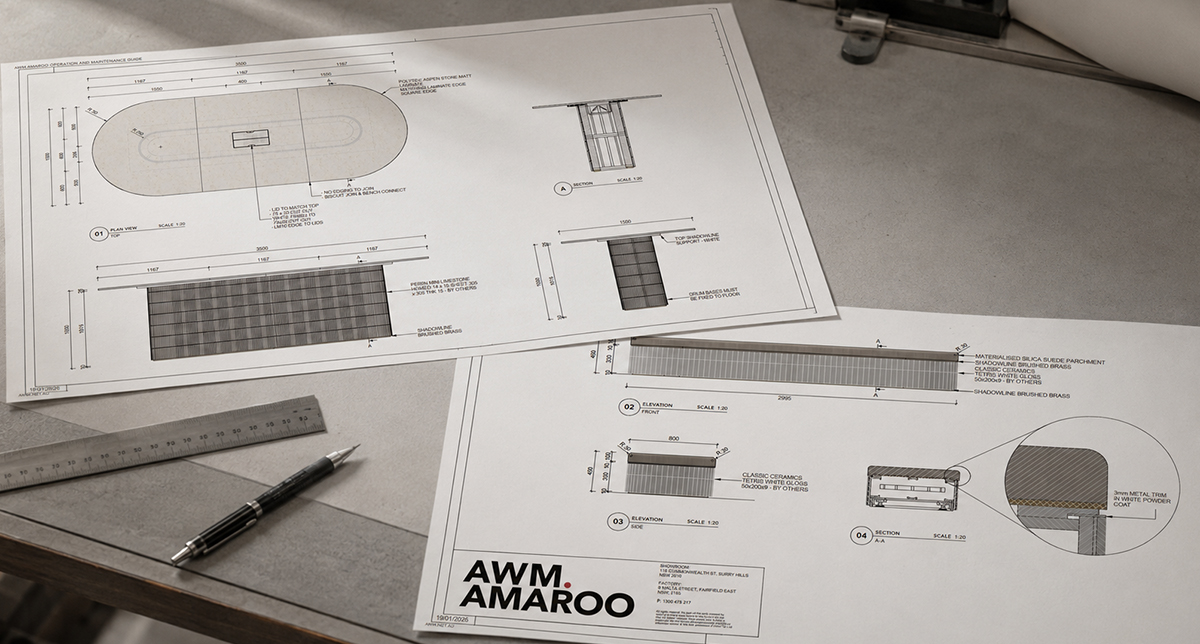
Paul: Once that’s mapped out, we go through every technical detail: dimensions, materials, finishes, fixing methods and anything else that could affect programming, machining, or installation. Where needed, we raise RFIs (Requests for Information) so everyone’s aligned before production starts. Alongside that, we’re allocating resources across the factory to keep the project moving efficiently.

Why prototyping matters

Q. On a project of this scale, how important was prototyping?

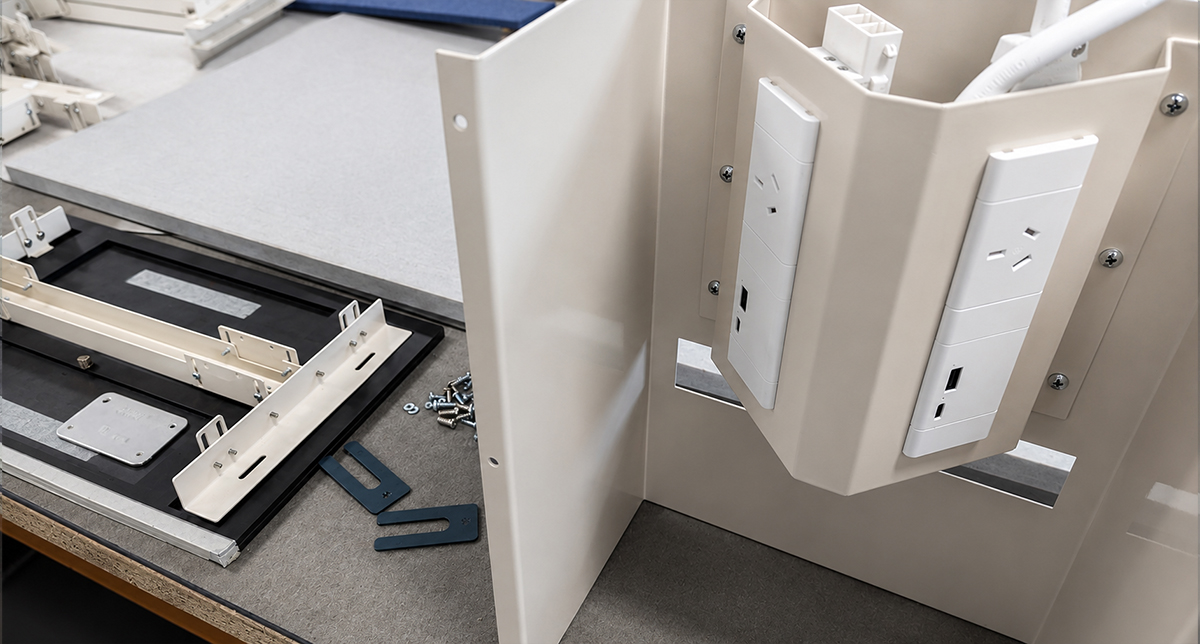
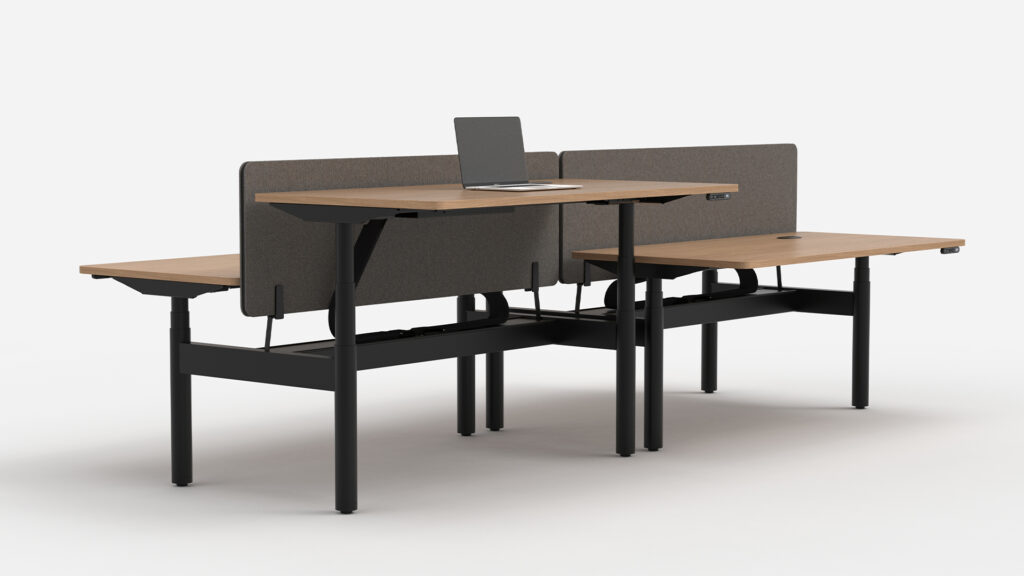
Simon: For White Fox, it was essential, especially on the workstation systems, because they were bespoke and repeated right throughout the building. When you’re making something hundreds of times over, the time you invest in prototyping upfront pays for itself many times over.

Paul: It also gives the client something they can actually experience. They can interact with the product, see the finishes at full scale, and give feedback before we commit to full production. That’s exactly where the small refinements happen, long before they’d turn into expensive changes on site.

When the project keeps growing

Q. White Fox involved thousands of unique components. What was the biggest challenge?

Simon: It wasn’t only the scale that made White Fox stand out; it was the quality of the design. A great concept, and the kind of project everyone wanted a part in. As the scope grew, every new package became another chance to contribute, and the team genuinely loved bringing it to life.

Paul: From a factory point of view, that meant keeping every drawing, program, and revision up to date. When you’re manufacturing thousands of components, documentation becomes critical, because one small revision can ripple across several departments at once.

The advantage of manufacturing locally

Q. On a fast-moving project like White Fox, why was having a local Australian supply chain so valuable?

Simon: Speed was probably the single biggest advantage. We could respond quickly because we had the people, the capability and local suppliers backing us up. That’s one of the reasons we secured more of the project as it went along.

Paul: Local suppliers also give us real flexibility. Communication is faster, lead times are shorter, and if something changes, we can react straight away rather than waiting on overseas manufacturing or freight.

Q. And how does that ultimately benefit the client?

Simon: Confidence. There were moments where something wasn’t performing the way we’d expected. Instead of pointing fingers, we worked openly with PMG Group to sort it out. That relationship was built on trust and on always doing what was right for the project.

Paul:It also creates certainty around delivery. Reliable access to locally sourced materials means faster problem-solving, fewer delays, and complete confidence that we can hold our quality standard throughout the build.

Thousands of parts. One coordinated delivery

Q. Manufacturing is only half the challenge. Once everything leaves the factory, how do you coordinate the logistics?

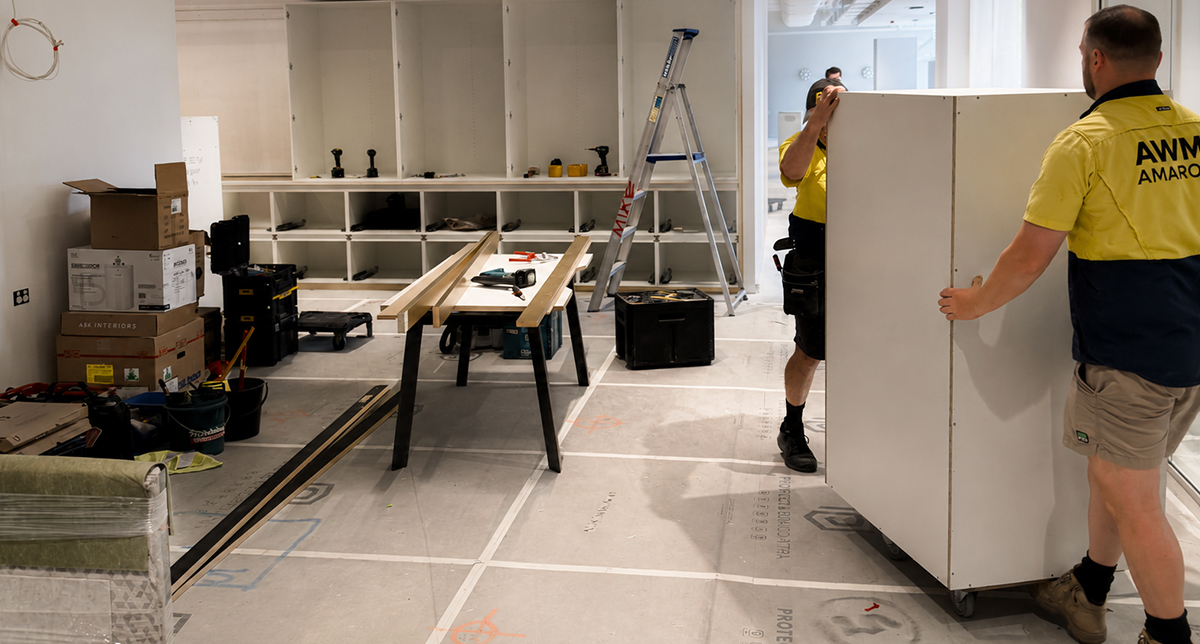
Paul: Before any component leaves the factory, it’s labelled, tracked, and assigned to a specific floor, location and installation stage. Right through manufacturing and installation, detailed checklists and reporting systems keep every stage accountable and give the project managers regular updates.

Simon: That planning starts long before the trucks pull out. Manufacturing, logistics and installation all have to work in step, so materials arrive exactly when they’re needed, not weeks too early and not too late.

Q. Was there one component that really tested the team?

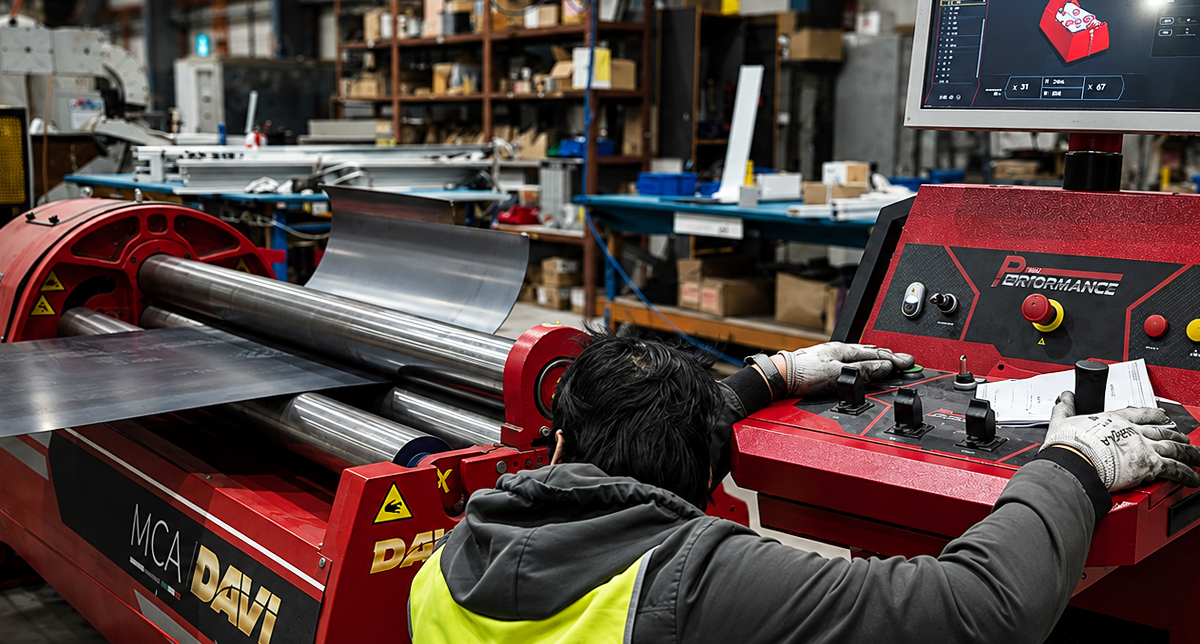
Simon: Absolutely. The custom drum bases were a real turning point. The scale of the project justified investing in new machinery built specifically to manufacture those components. In many ways, White Fox accelerated how we build certain products today.

Paul: Some of the curved and highly customised components pushed our programming and manufacturing processes well beyond what you’d see on a typical project. Those investments have kept paying off on projects long after White Fox wrapped up.

Consistency at scale

Q. How do you keep quality consistent across thousands of individual components?

Simon: It starts with the people. We’ve built a team that knows what good looks like and won’t settle for anything less. Quality isn’t something you inspect at the very end; it’s built into every stage of production.

Paul: People drive the quality, and systems make it repeatable. Detailed programming, quality inspections, component tracking and documented production standards make sure every piece is manufactured consistently, from the factory floor right through to installation.

More than manufacturing

Q. Looking back, what are you most proud of?

Simon: I’m proudest that every time more work came our way, we found a way to deliver it. The scope kept expanding throughout the project, yet the team kept adapting without ever compromising on quality. That says a lot about the people we have.

Paul: For me, it’s the quality. Seeing such ambitious design ideas brought to life across a project this size is something the whole team can be proud of.

Q. If you could show people one part of the process they never normally get to see, what would it be?

Simon: I’d show them the factory during those busy few months. Watching hundreds of components moving through the different stages of production really puts the scale of it into perspective. It’s something most people never get to witness.

Paul: The machinery in action, the people and the systems that let us manufacture complex, Australian-made joinery without relying on overseas production. That’s something most people never get to see.

The AWM Amaroo Team